
Field note
Cardiac Genetics at Baghdad Teaching Hospital: From Clinical Clues to Genetic Diagnosis
A same-day Clinical Education Field Note from Baghdad Teaching Hospital, where Dr. Mohammed Ghanem led a session on recognising cardiovascular clues that may inform genetic assessment.
- Prepared by
- Iraq Cardiology Editorial Team
- Reading time
- 5 min
Quick summary
The essential point, in one sentence.
Reading companion
A professional question, bounded to this record.
Answers use this update and its recorded sources only; it does not provide individual treatment advice.
Today at Baghdad Teaching Hospital
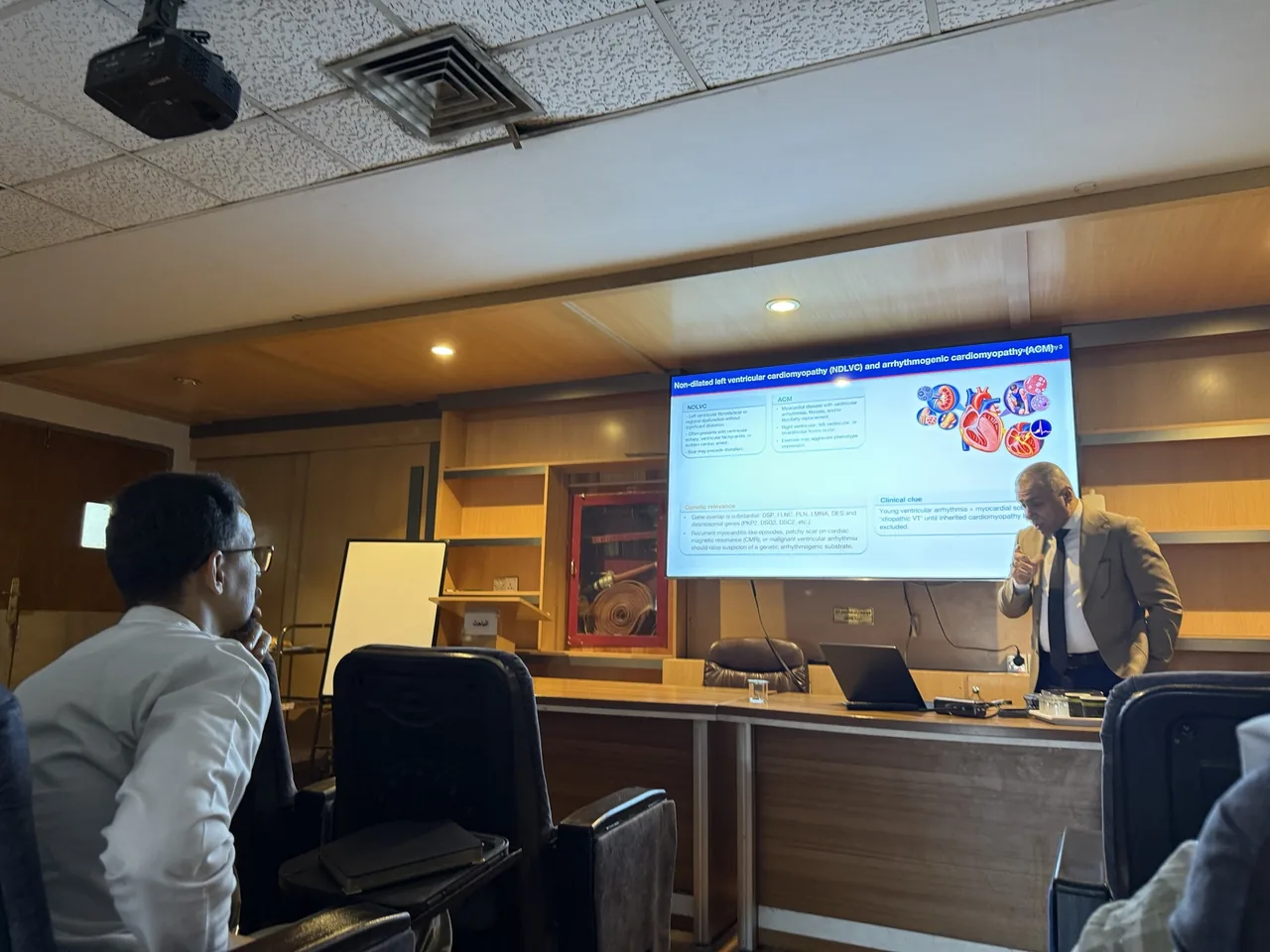
Clinical Cardiology Board residents attended a teaching session on cardiovascular genetics at Baghdad Teaching Hospital on Thursday, August 20.
Lecture
Genetics in Cardiovascular Disease: From Clinical Clues to Genetic Diagnosis
A phenotype-first approach
Led by Dr. Mohammed Ghanem, the session emphasised that cardiovascular genetic assessment begins with defining the clinical phenotype—such as cardiomyopathy, channelopathy, aortopathy, congenital heart disease, lipid disorder, or pulmonary arterial hypertension—before selecting tests.
Clinical clues that matter
The teaching highlighted practical red flags: relevant family history, unusually early or severe disease, extracardiac findings, characteristic trigger history, and distinctive ECG or imaging patterns. These clues help frame whether a genetic explanation should be considered.
From pedigree to family care
A three-generation pedigree can document sudden death, pacemaker use, aortic events, premature coronary disease, and extracardiac findings. The pathway described in the lecture then moves from phenotype-directed investigations to curated genetic testing when appropriate, careful interpretation of pathogenic or likely pathogenic variants versus variants of uncertain significance, and family-centred planning through cascade testing, surveillance, reproductive counselling, and multidisciplinary referral.
Community record
This field note documents a local educational activity for the Iraq Cardiology Community and reflects educational themes from the supplied lecture deck. It is not a substitute for individual clinical assessment, genetic counselling, or formal diagnostic guidance.
Attendance
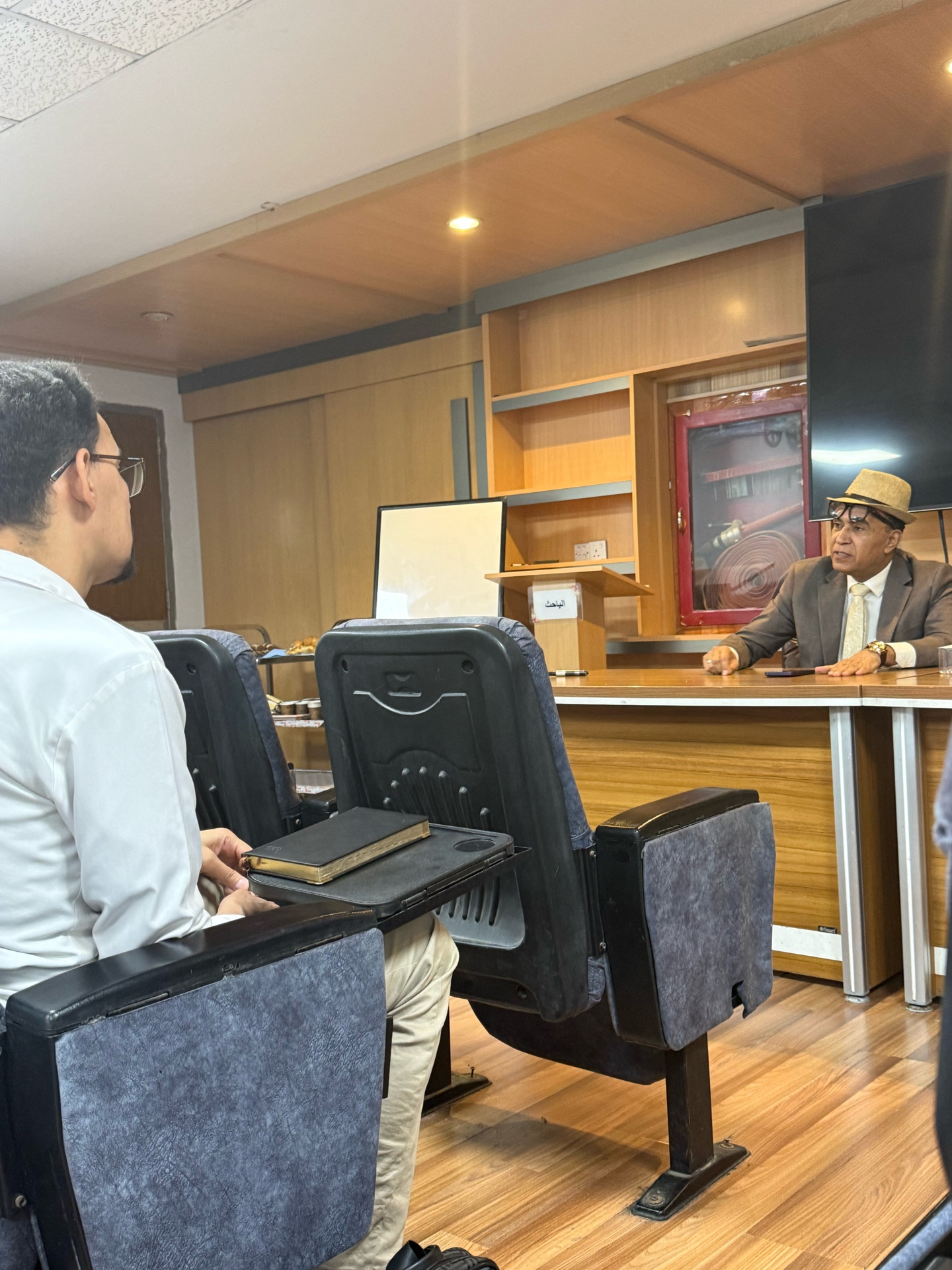
Prof. Hasan Alfarhan, President of the Iraqi Council for Cardiology, was also present at the session.
Fellow attendance
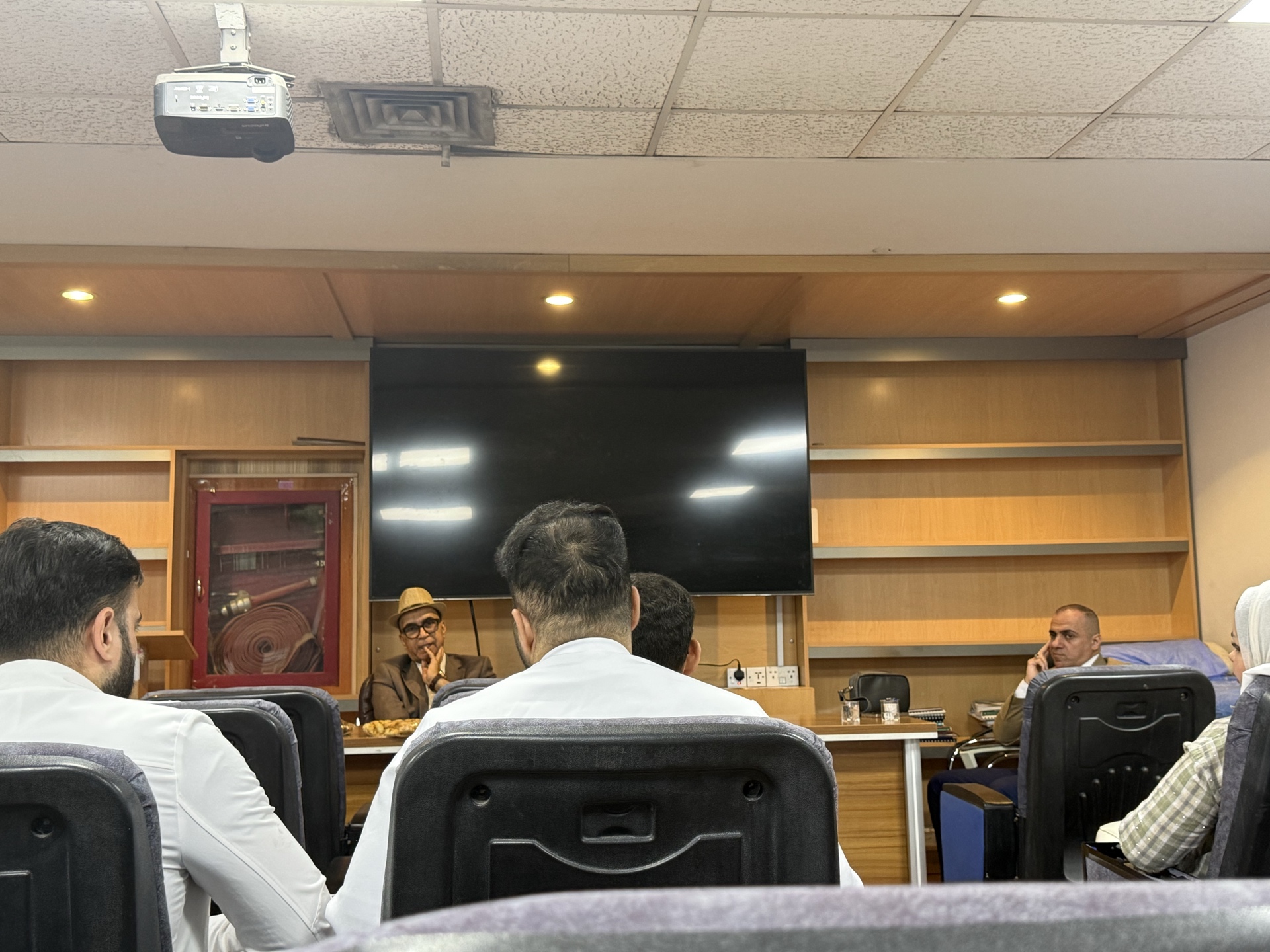
Third-year Iraqi Clinical Cardiology Board fellows participated in the Baghdad Teaching Hospital teaching session.
After the session
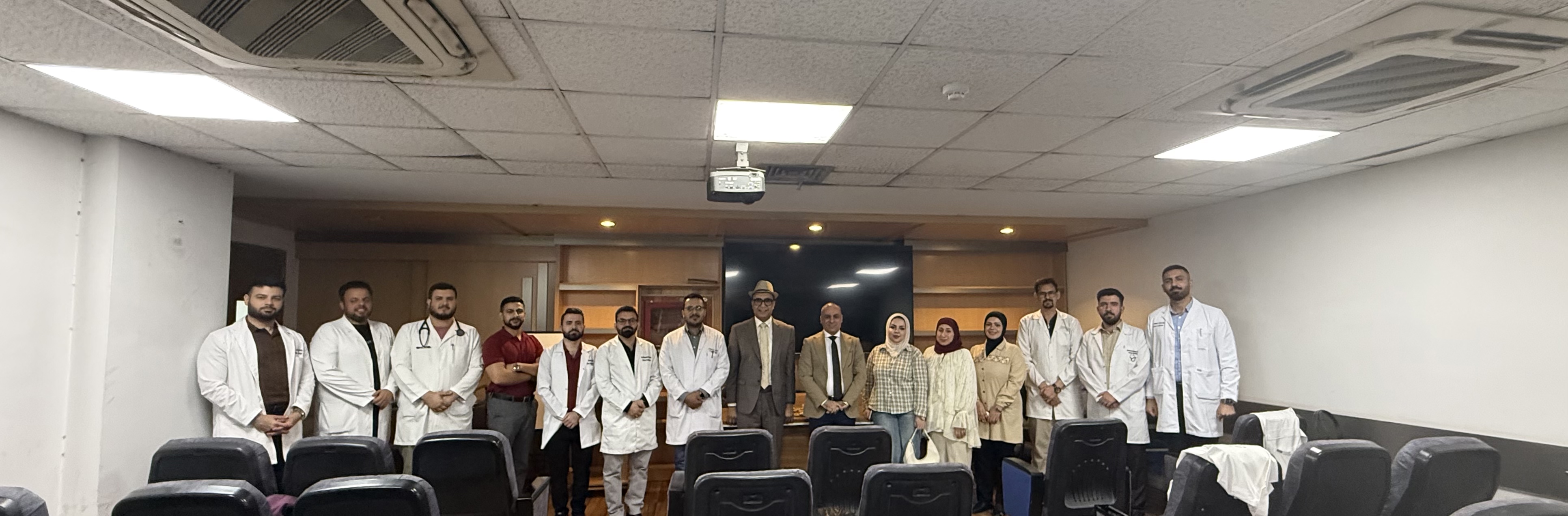
Third-year Clinical Cardiology Board fellows with Dr. Hasan Alfarhan and Dr. Mohammed Ghanem following the cardiac genetics teaching session at Baghdad Teaching Hospital.
Professional discussion starter
Turn reading into a balanced conversation.
Prompts for professional reflection—not individual treatment advice.
- 1Which element of the source most changes how your team would frame Cardiac Genetics at Baghdad Teaching Hospital: From Clinical Clues to Genetic Diagnosis?
- 2Which limitation or context should be made explicit before discussing application?
- 3What question is worth taking to a journal club or multidisciplinary meeting?